Gardening Services in Harrow

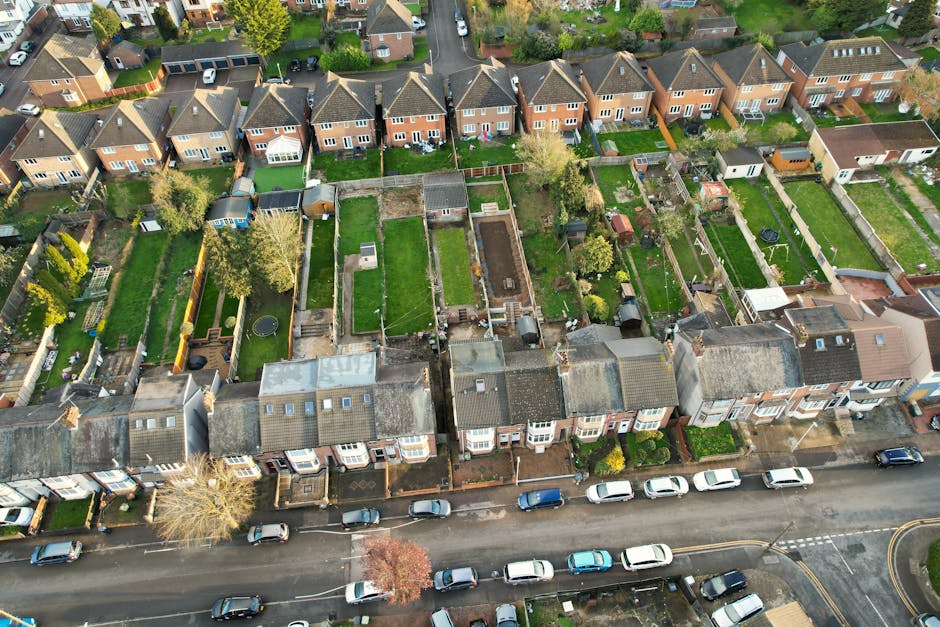
Gardening Services in Harrow should feel practical, tidy and shaped around the way a garden is actually used. Our work covers the main upkeep tasks that keep outdoor spaces manageable through the seasons, from lawn care and hedge trimming to planting support, border tidying and more involved garden clearance. If you need a straightforward service for a front garden, back garden, shared outdoor area or rental property, the aim is to keep the space organised and workable without unnecessary complication.
We focus on clear, reliable garden work rather than overcomplicating the job. That can mean regular maintenance to stop growth getting away, one-off attention after a period of neglect, or help preparing a garden for a new use. Where helpful, we can discuss the scope of work, the condition of the site and the level of finish you want so the plan matches the garden rather than forcing the garden to fit a preset package.
For a quote, it helps to outline the main tasks you want covered and the kind of result you are aiming for. A quick note about access, size and any awkward features can make the first conversation more useful. If you are ready to compare options, see our pricing and quotes page or send your enquiry now.
Regular garden maintenance that keeps spaces under control
Regular maintenance is often the simplest way to keep a garden looking cared for without letting jobs build up. Our garden maintenance work can include mowing, edging, light weeding, border attention and general tidy-up tasks that help the space stay presentable. Rather than treating every visit as the same, we can focus on the areas that need attention most, whether that is the lawn, the beds, paths, or sections that tend to collect leaf fall and debris.
Different gardens need different rhythms. Some benefit from more frequent light visits, while others only need occasional seasonal work. We can support a one-off tidy or a recurring maintenance pattern depending on how the space is used. In practical terms, that often means balancing appearance with plant health, keeping things neat without stripping out growth that still has a purpose. Read more about garden maintenance if you want to see how the service is described in more detail.
Lawn, hedge and border care
Lawns, hedges and borders each need a slightly different approach. Lawns usually need a clean cut and tidy edges; hedges may need shaping rather than heavy reduction; borders may need weeding, pruning and a reset around the plants that should stay. By separating those tasks properly, the work stays more controlled and the garden looks orderly without becoming overly bare. If you already know which parts matter most, that can make the quotation stage simpler and more accurate.
Clearance, cutting back and reclaiming overgrown gardens

When growth has become too dense or a garden has been left untouched for some time, clearance work can make the space usable again. Our garden clearance service is suited to overgrown beds, blocked corners, accumulated green waste and the general build-up that makes routine care difficult. The work is usually more about restoring access and shape than creating a finished landscape in one step, so it is best approached methodically rather than rushed.
A careful clearance can remove obvious bulk while leaving room to assess what should remain. That matters where shrubs, self-seeded growth or long grass may still conceal established plants or usable features. In many cases, the best result comes from clearing in stages, especially if the garden needs follow-on maintenance afterwards. View the garden clearance service for more details on the type of work we can carry out.
Useful preparation before a clearance enquiry is straightforward: note the size of the area, mention any access restrictions and explain whether the job is mainly a tidy-up, a major cut-back or a fuller recovery of the space. A few clear details are usually enough to start planning the work properly. If you want to move ahead, get in touch and request a quotation.
Lawn care for neat, even outdoor surfaces
Lawn work is often central to the overall look of a garden, especially where the grassed area is the main open space. Our lawn mowing service is intended to keep grass at a manageable height and produce a neater finish around edges, paths and borders. Depending on the condition of the lawn, this may be a simple cut or part of a broader tidy-up that improves the whole garden rather than one feature alone.
Good lawn care is not only about appearance. Cutting too much at once can be unhelpful, while leaving grass to grow unchecked can make later work more difficult. A sensible approach takes account of grass length, weather, recent growth and the condition of the ground. Explore lawn mowing if you want a closer look at the service scope.
Edges, clippings and the finish around the lawn
The detail work around a lawn often makes the biggest visual difference. Clean edges where the grass meets paving, beds or fencing help the space look finished, and dealing with clippings sensibly avoids leaving the area untidy after the cut. Where the lawn forms part of a larger garden maintenance visit, those smaller finishing touches are usually what separate a basic cut from a more considered result.
Hedge trimming and controlled shaping

Hedges can define a boundary, create privacy and give a garden structure, but they need regular attention to stay under control. Our hedge trimming work can cover light shaping, height reduction where appropriate and general tidying to keep growth from spilling too far into paths, drives or neighbouring planting. The goal is usually a clean line and a manageable profile rather than forcing every hedge into the same look.
Because hedges vary so much, the right approach depends on species, size, previous cutting and the finish the customer wants. Some hedges respond best to lighter, frequent trims, while others need a more careful reset after a period of growth. See the hedge trimming service if you want to compare what the work can include.
We also take account of access and shape when discussing hedge work. Narrow side passages, awkward corners and taller sections can all influence the way the job is planned. A measured approach helps protect the hedge while still improving the appearance of the garden and keeping the boundary neat.
Landscape gardening for practical changes to the garden layout
Landscape gardening is the part of the service that looks beyond routine upkeep and into the way a garden is arranged and used. It may involve reshaping beds, improving planting structure, redefining edges or bringing different parts of the garden into a more coherent design. The aim is not just to make things look different, but to make the space feel more workable and easier to maintain over time.
Some gardens need modest changes rather than a complete overhaul. In those cases, careful adjustments can still make a real difference: improving the balance between lawn and planting, opening up a darker corner, or creating a clearer route through the space. Read about landscape gardening to see how a more considered layout can be approached.
Where larger changes are involved, it helps to think in terms of function as well as appearance. That may include how the garden is entered, where people walk, how planting is grouped and how easy the space will be to keep in good condition afterwards. The best plan is usually the one that fits the garden’s actual scale and use rather than chasing features that do not suit it.
Landscaping for improvements, replacement areas and fresh structure

Landscaping can include more substantial work than light garden care, especially where parts of the garden need replacing, rebuilding or rethinking. Our landscaping service may be suitable when you want to improve worn sections, refresh tired planting areas or create a clearer structure across the site. Depending on the job, this can sit alongside clearance, planting adjustment and changes to surfaces or borders.
The most useful landscaping conversations usually start with what is not working well now. That might be poor shape, awkward circulation, uneven ground or areas that are difficult to maintain. From there, the service can be adapted to the practical aim rather than described in generic terms. See the landscaping page for a wider view of the service.
Choosing the right level of work
Not every garden needs a full redesign. Sometimes a limited set of changes gives the best value, especially if the structure is already sound and only certain areas need attention. In other cases, several smaller jobs work better together than a single large intervention. A well-judged landscaping plan should respect the existing space while improving how it looks, feels and functions.
About Harrow
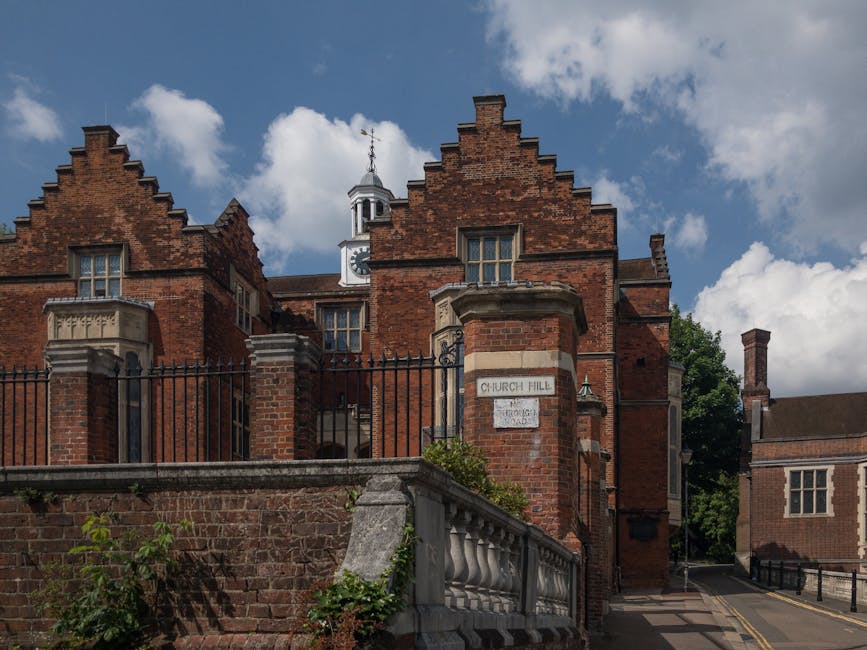
Harrow is a north-west London district with a long history as both a market town and a later suburban centre, and that layered identity is still visible in the area today. Harrow on the Hill remains one of its best-known historic cores, with a distinctive elevated setting, narrow streets and buildings that reflect centuries of development. The hill itself forms a clear visual landmark in the borough, rising above surrounding streets and giving the historic settlement a recognisable profile across the wider area. St Mary’s Church, the churchyard and nearby lanes are among the features that anchor the older landscape. Outside the hilltop core, Harrow includes denser town-centre streets, residential neighbourhoods and open spaces that show how the district expanded through the rail age and later suburban growth. Transport connections have been important to that change, with rail and underground links shaping commuting patterns and encouraging new housing and commercial activity. The borough also contains parks, local shopping parades and cultural institutions that give the place a varied everyday character. Headstone Manor Museum adds another layer of history, while public green spaces and playing fields offer contrast to the built-up streets. The area’s mix of older architecture, later housing and active town-centre life makes it a place where historic character and modern urban function sit side by side in a compact part of north-west London.
Tree, shrub and larger growth removal

Some gardens need work that goes beyond trimming and tidying, especially where larger shrubs, saplings or obstructive growth are affecting light, access or the usable shape of the space. Our tree lopping and removal service is intended for situations where selective reduction or full removal is the appropriate response, rather than simple maintenance. The work can form part of a wider garden recovery or sit alongside regular upkeep if the garden has become dominated by one or two problem areas.
Because larger growth can affect visibility, structure and the balance of the garden, it is worth considering the result as well as the immediate clearance. Sometimes selective cutting is enough; sometimes removal is the cleaner long-term option. Where there are adjoining beds, fences or paths to protect, planning matters as much as execution. Read more about tree lopping and removal if you are weighing up the available approach.
If you are unsure which service fits best, describe the growth, the space around it and what you want the garden to feel like afterwards. That makes it easier to suggest a sensible next step and keeps the quotation focused on the actual work involved. For a straightforward start, send your details and ask for a quotation.
Seasonal tidy-ups, light planting and ongoing support
Gardens often change character through the year, so seasonal tidy-up work can be useful even when no major project is planned. This may include clearing leaves, cutting back spent growth, refreshing borders or giving neglected corners a more orderly finish. In some gardens, small planting adjustments can improve the overall balance without requiring a large redesign, especially if the aim is simply to brighten a tired space or soften a hard edge.
These lighter tasks are often at their best when they are joined up. A hedge trim, a lawn cut and a border tidy can work together to produce a much better result than any one job on its own. When the aim is clarity and maintainability, small improvements usually add up quickly. Simple, well-judged work often brings the garden back into shape without needing to rebuild everything from scratch.
For many customers, the best next step is just a clear conversation about what needs doing now and what can wait. That keeps the service practical and avoids turning an ordinary maintenance visit into unnecessary work. If you already have a shortlist of tasks, send it over and we can help shape the quotation.
Planning the work and requesting a quotation
A useful quotation is usually based on the nature of the work rather than a vague description of the garden. It helps to mention whether you need regular maintenance, a one-off clearance, hedge work, lawn care or a combination of services. If there are specific constraints such as limited access, uneven ground or particularly dense growth, those details can be included at the same time so the scope is clear from the outset.
Photographs can also be helpful when you are describing a garden remotely, particularly if the area is overgrown or has several separate sections. A few clear images and a short note about the main priority usually give enough context to start the conversation properly. If you are ready to move forward, use the quotation page or contact us directly through our website so the next step is simple and focused.
Request a quotation today and tell us what you would like done. If you already know the service you need, keep it brief and specific; if not, give the main issue and we can help identify the most suitable option.