South Harrow gardeners for small terraces and yards
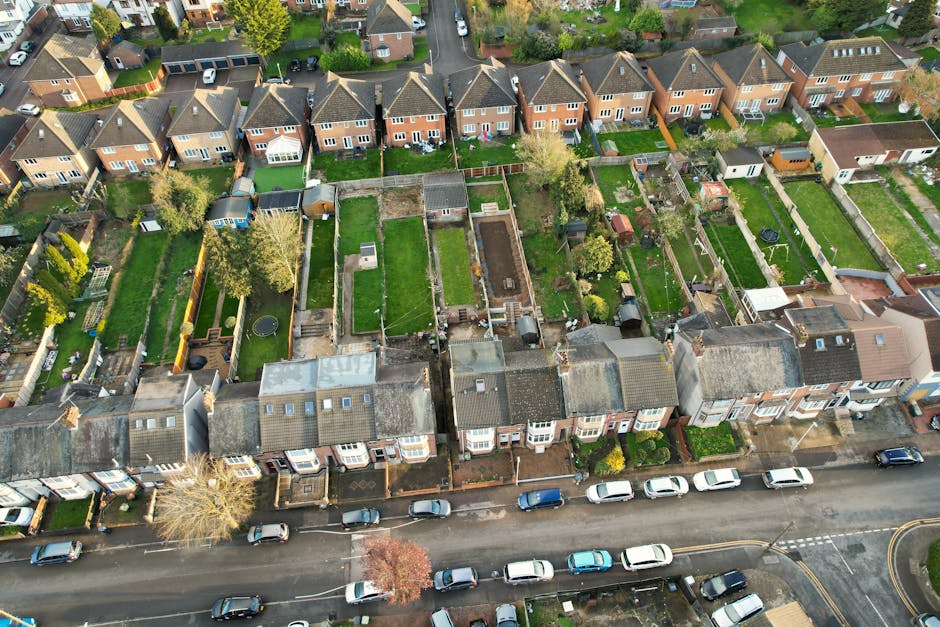
If you live in a South Harrow terrace or a modest back yard, you already know the garden can feel smaller than the jobs it needs. One wet week and the paving gets slick. A few fast-growing shrubs and suddenly the light disappears. Add bins, bikes, a clothes airer, maybe a narrow path that does not quite fit the wheelie bin shuffle, and the whole space starts to work against you. That is exactly where South Harrow gardeners for small terraces and yards can make a real difference.
Good small-space gardening is not about cramming in more plants or making everything look "fancy". It is about smart layout, easy maintenance, and making every square metre earn its keep. In this guide, you will find a practical, no-nonsense look at how compact garden care works, what to ask for, what to avoid, and how to get a terrace or yard that feels calm rather than cluttered. Truth be told, that is often the real win.
Why South Harrow gardeners for small terraces and yards matters
Small gardens are deceptively tricky. A large plot can hide a few rough edges; a terrace or yard cannot. Every line is visible, every weed is noticed, and every bit of shade or damp tends to announce itself. In South Harrow, where many homes have compact outside spaces, the challenge is usually the same: make the garden usable without making it busy.
That matters for three reasons. First, compact spaces need more disciplined maintenance than larger ones. Second, small changes have a big visual impact. Third, an outdoor area can quickly become either a quiet little retreat or a place you avoid because it feels awkward to use. A tidy, well-planned yard can add daily value in a very real way, even if it is only big enough for a small table, two chairs, and a few pots.
There is also the local factor. Narrow access, shared boundaries, basement light wells, rear alleyways, and close neighbours all affect how work gets done. A gardener working in a small South Harrow terrace needs to understand practical access, low-noise methods where possible, and how to keep things tidy when space for waste, tools, and materials is limited. It sounds obvious, but it is where a lot of jobs go sideways.
If you want to see the broader range of help that can support a compact garden, the services overview is a useful place to start, especially when you are comparing routine upkeep with one-off improvements.
How South Harrow gardeners for small terraces and yards works
The best way to think about small-garden work is as a sequence rather than a single visit. The goal is usually to restore order first, then improve structure, then create a maintenance rhythm that does not take over your life. That might sound a bit grand for a yard, but it is really just common sense.
A typical process starts with a look at the space as it is used, not just how it looks in photos. Where does the water sit after rain? Which areas get sun in the morning and shade by mid-afternoon? Is there room to open a gate fully? Can you move a mower, trimmer, or clearance bags through without turning it into a minor obstacle course? These details matter more than people think.
From there, gardeners usually divide the job into a few simple parts:
- clear away dead growth, clutter, and awkward self-seeding plants
- cut back overgrown hedges or boundary shrubs
- shape beds and edges so the garden reads more clearly
- deal with the lawn or hardstanding in a way that suits the available space
- add or adjust planting so the garden looks fuller without feeling crowded
- set a maintenance plan that keeps the work manageable
For some gardens, that may also include light landscaping, new raised beds, or a compact seating area. For others, the right answer is simply regular maintenance and a few careful tweaks. Not every small garden needs a big redesign. Sometimes it just needs breathing room.
Where the garden is badly overgrown or has been left for a while, a one-off clearance can be the most sensible first move. A focused garden clearance can reset the space so you can see what is worth keeping and what should go. After that, routine care becomes much easier.
Key benefits and practical advantages
Let's face it, nobody wants to spend their weekends fighting brambles, strimming the same corner again, or dragging cuttings through a narrow side passage. The real value of hiring experienced gardeners for small terraces and yards is that they help your garden become easier to live with.
The main benefits usually include:
- Better use of space - a small garden feels larger when the layout is simplified and the eye has clear lines to follow.
- Less maintenance stress - regular, measured upkeep is far easier than trying to rescue a neglected space every few months.
- Improved appearance - clean edges, healthy planting, and simple structure often matter more than expensive features.
- Safer movement - clear paths and tidy surfaces reduce the chance of slips, trips, and awkward access issues.
- More enjoyable outdoor living - a yard that works for a morning coffee or an evening chat is more useful than a decorative space you never use.
There is also a psychological benefit. A small, well-kept garden can make a home feel looked after. On a grey weekday morning, that patch of green or a neat decked corner can honestly lift the mood a bit. It is a small thing, but small things add up.
If you are comparing ongoing care options, garden maintenance is usually the right fit for compact outdoor spaces because it keeps growth under control before it turns into a bigger job.
Who this is for and when it makes sense
South Harrow gardeners for small terraces and yards are a strong fit for homeowners, landlords, tenants, and anyone who wants a tidy outdoor space without the hassle of doing everything themselves. It is especially useful if you have a garden that is technically small but surprisingly demanding, which is common enough in London, to be fair.
This kind of service makes sense if:
- your terrace feels cramped or cluttered
- plants are growing faster than you can keep up with
- you need better access for bins, bikes, or family use
- you have boundary hedges or shrubs that are becoming unruly
- the lawn or paving needs regular attention
- you want a garden that looks good year-round with less effort
It also makes sense when your garden is part of a wider property issue. For example, a landlord preparing a rental home may need the space cleared, neatened, and brought up to a standard that helps with viewings. A family with a toddler might care more about safe surfaces and simple layouts than ornamental planting. Different needs, different priorities. That's normal.
If the garden has become too difficult to manage on your own, you may need a combination of services rather than one quick fix. A tidy-up, some hedge work, and a bit of landscape gardening can transform how a small yard functions without turning it into a building project.
Step-by-step guidance
Here is a practical way to tackle a small terrace or yard without overcomplicating it. This is the sort of approach that tends to work well in real homes, not just in glossy examples.
- Start with a clear view of the space. Walk the garden slowly and note what feels awkward, overgrown, damaged, or underused. It helps to do this in daylight, not just glance at it through the kitchen window.
- Decide what must stay. Mature shrubs, a healthy climber, a useful tree, or a favourite planting feature may be worth keeping. The point is to edit, not wipe everything out.
- Remove the obvious problems first. Dead plants, broken pots, mossy clutter, and loose debris make a small garden feel even smaller. Clearing these out gives you immediate breathing space.
- Shape the boundaries. In compact gardens, the edge of the space matters a lot. Straightened lines, trimmed hedges, and controlled growth make the whole garden look more intentional.
- Improve the main surface. Whether that is lawn, paving, decking, or gravel, the dominant surface should be neat and easy to maintain. A patchy lawn in a tiny yard can look rough very quickly.
- Add structure in layers. Use planters, edging, or a compact seat to create interest. A few well-placed features are better than a crowd of small ornaments.
- Set a maintenance rhythm. Little-and-often usually beats occasional big rescues. That is the secret, if there is one.
For some properties, a more structured outdoor refresh is the next step, especially where movement, privacy, or usable seating space are issues. In those cases, landscaping or small-scale decking may be worth considering, depending on the layout.
Expert tips for better results
In small gardens, restraint is often the expert move. Not exciting, maybe, but very effective. Here are a few things that consistently help.
- Keep the planting palette limited. Two or three well-chosen textures usually look better than a jumble of different colours and forms.
- Think vertical, not just horizontal. Climbing plants, wall trellises, and slim planters can add life without eating floor space.
- Use repetition for calm. Repeating the same pot style or plant shape creates a sense of order.
- Leave room to move. A narrow garden still needs a clear route. If every step feels like a sidestep, something is off.
- Trim before things become a problem. Small hedges and shrubs can look tidy for ages, then suddenly they do not. That moment arrives quicker than people expect.
- Choose low-fuss finishes. Surfaces that are easy to sweep or rinse down are a blessing in a small yard.
A practical example: if a terrace gets morning sun but afternoon shade, a gardener may favour shade-tolerant planting at the back and sun-loving pots near the seating area. It sounds simple, because it is. Small spaces reward simple thinking.
And yes, a little imperfection in the garden can be charming. But there is a difference between "lived in" and "slightly apologetic".
Common mistakes to avoid
Small terraces and yards are easy to overwork. People often start with enthusiasm and end up with a garden that looks busier, not better. That happens a lot.
Try to avoid these common mistakes:
- Overfilling the space. Too many pots, ornaments, or features make the garden feel tight.
- Ignoring access. If a path or gate is always awkward, the garden becomes annoying to use.
- Letting hedges and climbers run unchecked. In a compact garden, even mild overgrowth can block light and create a boxed-in feel.
- Choosing high-maintenance planting by accident. A pretty plant that needs constant attention may not be the best choice for a small urban yard.
- Using the wrong scale of feature. A large bench or oversized planter can dominate the whole space.
- Waiting too long between maintenance visits. Small gardens can go from neat to messy fast, especially in spring and early summer.
One of the biggest mistakes is treating a compact garden like a miniature version of a big one. It is not. The rules are different, and the tolerance for clutter is much lower. Honestly, the garden will tell you pretty quickly if the plan is off.
Tools, resources and recommendations
You do not need a shed packed with gadgets to keep a small terrace in shape, though a good basic kit helps. For most compact gardens, simple tools are more useful than complicated ones.
Useful items often include:
- hand shears for light shaping and deadheading
- a compact mower if there is a lawn patch
- hedge trimmers for tidy boundary growth
- a sturdy rake and broom for leaf and debris removal
- gloves, bags, and a wheelbarrow or trug for cuttings
- a hose or watering can for dry spells
If you are outsourcing the work, it is worth asking how the team handles green waste, tidying, and access. A good operator should be clear about what is included, how cuttings are removed, and how the space will be left at the end of the visit. For pricing questions, the pricing and quotes page can help set expectations before you book.
It can also help to think in seasons. Spring is the obvious reset point, but late summer and early autumn are often when small gardens need a proper tidy-up, especially if hedges or climbers have had a growth spurt.
If you are choosing between different service types, an ongoing lawn mowing arrangement is useful for small lawns, while hedge trimming is often the best way to keep boundaries from swallowing light and space.
Law, compliance, standards, or best practice
For most small residential gardens, the main concern is not heavy regulation; it is good practice, safety, and neighbourly care. Even so, there are a few points worth keeping in mind.
First, garden waste should be handled responsibly. If cuttings, soil, or old materials are being removed, the work should be done in a way that keeps the site clean and avoids nuisance. Second, any work involving ladders, saws, or overhead branches should be approached carefully. That sounds obvious, but accidents tend to happen when a quick job is treated too casually.
Third, if a job involves trees or substantial branches, the right skill and equipment matter. A compact yard can make tree work feel deceptively simple, but there is often less room for error than there is in a larger garden. Where needed, a professional tree lopping and removal service should be used with proper caution and safety planning.
It is also good practice for the provider to be transparent about safety processes, insurance, and the way work will be carried out. That is not bureaucracy for its own sake; it is basic reassurance. If you want to understand how a company approaches these matters, the insurance and safety information is worth a look, alongside its health and safety policy.
And yes, for a tiny yard, that may sound a bit formal. But when you have a narrow side passage, a step down to the patio, and damp paving after rain, sensible practice stops being abstract very quickly.
Options, methods, or comparison table
When you are deciding how to improve a small terrace or yard, the main options usually fall into a few common approaches. The right choice depends on how you use the space and how much upkeep you want to take on.
| Approach | Best for | Typical strengths | Possible downside |
|---|---|---|---|
| Routine garden maintenance | Neat, lived-in terraces and yards | Keeps growth under control, straightforward, low disruption | May not solve deeper layout issues |
| Clearance and reset | Overgrown or cluttered spaces | Fast visible improvement, removes pressure | Needs follow-up care to stay tidy |
| Small landscaping update | Spaces that feel awkward or underused | Improves function, flow, and appearance | Usually needs more planning |
| Decking or hardstanding refresh | Yards used for seating or access | Defines zones, neatens the look | Can feel too rigid if overdone |
In practice, many small gardens need a combination. A tidy-up alone may help for a month. A maintenance plan alone may not fix a badly arranged yard. The sweet spot is often a reset followed by lighter, regular care.
If your space is mostly about access, seating, and durability, decking services may be more useful than adding more planting. If the whole garden needs a fresh start from top to bottom, a broader landscape gardening approach may be the better fit.
Case study or real-world example
Here is a realistic small-garden scenario. A South Harrow terrace has a narrow back yard with a tired patch of lawn, a hedge that has crept too far into the light, several old pots, and a corner that has become a dumping spot for broken odds and ends. Nothing dramatic. Just one of those spaces that slowly gets on top of people.
The first visit focuses on clearing the clutter and cutting back the growth that is swallowing the usable area. The hedge is trimmed back, the edging is redefined, and the main surface is cleaned up so the garden feels like one space again. A few plants are kept because they still add colour. The rest are removed or relocated. Nothing fancy. Just better judgement, really.
On the second stage, the layout is simplified. The yard is divided into a small seating area and a planting strip, with enough clearance to walk through comfortably. The owners do not suddenly have a giant garden. Of course not. But they do have a space that can be used for breakfast outside, hanging washing, and a bit of evening air without feeling boxed in.
That is the sort of result that makes sense for compact homes: practical, tidy, and sustainable to maintain. No miracle. Just a garden that finally behaves.
Practical checklist
Use this before booking or planning any work on a small terrace or yard:
- Identify what the garden must do: seating, access, pets, play, privacy, or low maintenance
- Note problem areas: shade, moss, overgrowth, broken paving, poor drainage, clutter
- Decide what you want to keep, prune, move, or remove
- Check access for tools, cuttings, and waste removal
- Choose whether you need clearance, maintenance, landscaping, or a combination
- Ask how the work will be finished and how the site will be left
- Confirm any safety, insurance, and waste-handling expectations
- Plan follow-up maintenance before growth gets away from you again
If the garden has simply become too much to manage, starting with a tidy reset is often the easiest way forward. Then you can build from there without overthinking it.
Get a free quote today and see how much you can save.
Conclusion
South Harrow gardeners for small terraces and yards bring real value where space is tight and expectations are practical. The best work in compact gardens is often the work you barely notice day to day: cleaner lines, safer access, less clutter, healthier growth, and a layout that feels easier to live with. That is what turns a cramped outside area into a genuinely useful part of the home.
If you are dealing with an overgrown yard, a tired terrace, or a small garden that never quite seems to stay tidy, the answer is usually not more effort from you alone. It is a better plan, a steadier routine, and the right kind of help for the space you actually have. And once it is sorted, you feel it every time you step outside. Quietly satisfying, that.
Frequently Asked Questions
What do South Harrow gardeners for small terraces and yards usually help with?
They typically help with maintenance, pruning, hedge trimming, lawn care, clearance, simple landscaping, and making compact outdoor spaces easier to use and keep tidy.
How often should a small terrace or yard be maintained?
It depends on the planting and surfaces, but small gardens often benefit from regular light maintenance rather than occasional heavy work. Little and often usually keeps things under control.
Can a small yard really be made to feel bigger?
Yes. Clear edges, reduced clutter, simple planting, and a better layout can make a surprising difference. The garden may not grow in size, but it can feel more open and usable.
Is garden clearance worth it for a tiny outdoor space?
Very often, yes. If a terrace or yard has become overgrown or cluttered, clearance gives you a clean starting point. After that, maintenance is much easier and usually cheaper over time.
What is the best garden style for a small terrace?
There is no single best style, but simple, structured designs usually work well. Clean lines, limited planting variety, and space to move tend to suit compact gardens best.
Do small gardens need landscaping or just maintenance?
That depends on the problem. If the space already works well, maintenance may be enough. If the layout feels awkward, slippery, cramped, or poorly zoned, light landscaping can help more than repeated tidying.
How do I know whether to trim, remove, or replace a plant?
A healthy plant that still adds value is usually worth keeping and shaping. A plant that blocks light, crowds the area, or constantly outgrows the space may need to be reduced or removed. It is a judgement call, not a fixed rule.
Are decking or paved areas better than a lawn in a small yard?
It depends on how you use the space. Decking or paving can be easier to maintain and better for seating areas, while a small lawn can soften the look if you are happy to care for it. Both can work.
What should I ask before booking a gardener for a small terrace?
Ask what is included, how waste is handled, whether access is an issue, and what follow-up maintenance might be needed. It also helps to ask how they would improve the space without making it feel crowded.
Is hedge trimming important in a compact garden?
Yes, very. In small spaces, hedges and boundary shrubs can quickly reduce light and make the garden feel tighter than it is. A regular trim keeps the whole space more open and balanced.
How do I keep a small yard tidy between visits?
Keep a simple routine: sweep hard surfaces, remove dead leaves, water plants sensibly, and stop small weeds early. A ten-minute tidy now and then often prevents a much bigger job later.
Where can I learn more about the company's approach to work, safety, and pricing?
You can review the company's about us page for background, along with the information on insurance and safety and pricing and quotes for practical details. That usually answers the big questions before you decide.